Опубликовано: 23.02.2026
Air Conditioning Repair: Keeping Your Cool When It Matters Most
When summer temperatures soar, a malfunctioning air conditioner can quickly turn a comfortable home into an unbearable environment. The moment the cool air stops flowing, panic often sets in, and the search for a quick solution begins. Homeowners frequently face the dilemma of whether to attempt a temporary fix or call in a professional. In such stressful situations, finding a reliable and affordable air conditioner repair service becomes the top priority to restore comfort without breaking the bank. However, understanding the basic operation of an AC unit and recognizing early warning signs can empower owners to make informed decisions and sometimes even prevent a complete breakdown. This article provides a comprehensive overview of common air conditioning problems and offers a structured approach to diagnosis and repair, ensuring readers are well-equipped to handle the heat.
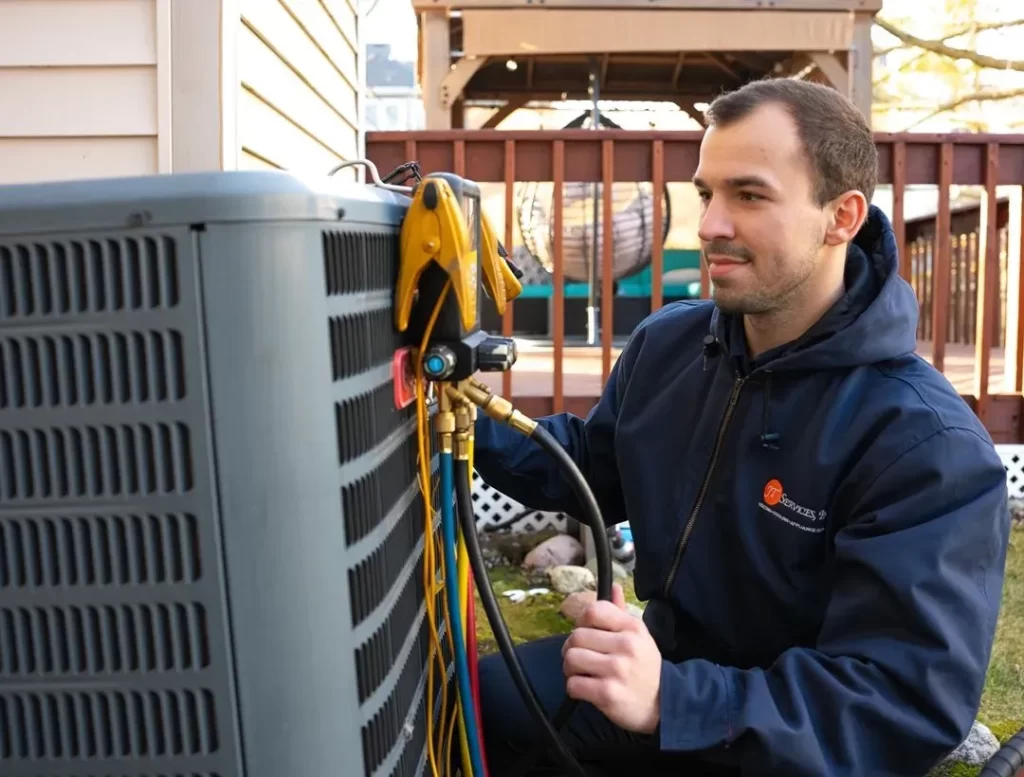
Recognizing Common Air Conditioning Problems
Air conditioning systems are complex assemblies of mechanical and electrical components that can fail in various ways. Identifying the specific symptoms is the first step toward an effective solution. Some issues are simple maintenance tasks, while others indicate serious component failure requiring professional intervention. The following list outlines the most frequent problems homeowners encounter with their cooling systems.
- The AC unit blows warm air. This is perhaps the most common complaint. It can be caused by a refrigerant leak, a faulty compressor, or simply a thermostat set incorrectly. Low refrigerant levels often indicate a leak that must be located and sealed before recharging the system.
- Insufficient airflow from vents. If the air coming out of the registers is weak, the problem is often a clogged air filter, blocked ductwork, or a failing blower motor. A dirty filter is the easiest fix but also the most overlooked cause of poor performance.
- Strange noises during operation. Squealing, grinding, or banging sounds typically point to mechanical issues. A squealing noise may indicate a worn belt or bearing issues in the blower motor. Banging sounds could mean loose or broken internal components in the compressor.
- Water leaks around the unit. Air conditioners remove humidity from the air, producing condensation that should drain away properly. Water pooling around the unit often signals a clogged condensate drain line or a damaged drain pan, which can lead to water damage if ignored.
- The AC cycles on and off frequently. Short cycling—when the unit turns on and off more often than normal—can be caused by an oversized system, a dirty evaporator coil, or a malfunctioning thermostat. This issue puts excessive strain on components and reduces efficiency.
Step-by-Step Approach to AC Troubleshooting and Repair
Before calling a technician, there are several diagnostic steps a homeowner can safely perform. These checks can resolve minor issues and provide valuable information if professional help is needed. Always turn off power to the unit at the breaker before inspecting internal components. Following a systematic approach ensures that simple problems are not overlooked and helps accurately describe the issue to a repair specialist.
- Check the thermostat settings. Ensure the thermostat is set to «COOL» mode and the temperature setting is below the current room temperature. Replace batteries if necessary. Sometimes the problem is as simple as accidental setting changes or dead batteries.
- Inspect and replace the air filter. Locate the air filter (usually in the return air duct or the indoor unit) and examine it. A filter clogged with dust and debris restricts airflow, causing the evaporator coil to freeze and reducing cooling capacity. Replace it if dirty, ideally every 1-3 months during heavy use.
- Examine the outdoor condenser unit. Go outside and check the condenser unit. Clear away any debris such as leaves, grass, or branches that may be blocking airflow through the fins. Ensure there is at least two feet of clearance around the unit for proper ventilation.
- Inspect circuit breakers and disconnect switches. Check the electrical panel for tripped breakers. Many outdoor units have a disconnect switch nearby; ensure it is in the ON position. A tripped breaker could indicate an electrical fault that needs professional attention.
- Clean the evaporator and condenser coils. Over time, both indoor and outdoor coils accumulate dirt, which insulates them and reduces heat transfer efficiency. Carefully clean the condenser coils with a garden hose (avoiding high pressure) and consider having a professional clean the indoor evaporator coil if accessible.
Performing these steps can resolve many common AC issues and restore comfortable cooling. However, if the problem persists—especially if refrigerant recharge or compressor repair is suspected—it is crucial to contact a licensed HVAC technician. Air conditioning systems contain high-pressure refrigerants and complex electrical components that require specialized training and equipment. A professional can accurately diagnose the root cause, perform safe repairs, and ensure the system operates efficiently for years to come, providing peace of mind during the hottest months of the year.